Plug-in solar is here. Does the grid need to know where every panel is?

Plug-in solar is now legal to buy and use across Great Britain. As adoption grows, the bigger question for network operators is how registration, observability and forecasting can work together to maintain visibility of an increasingly decentralised grid.
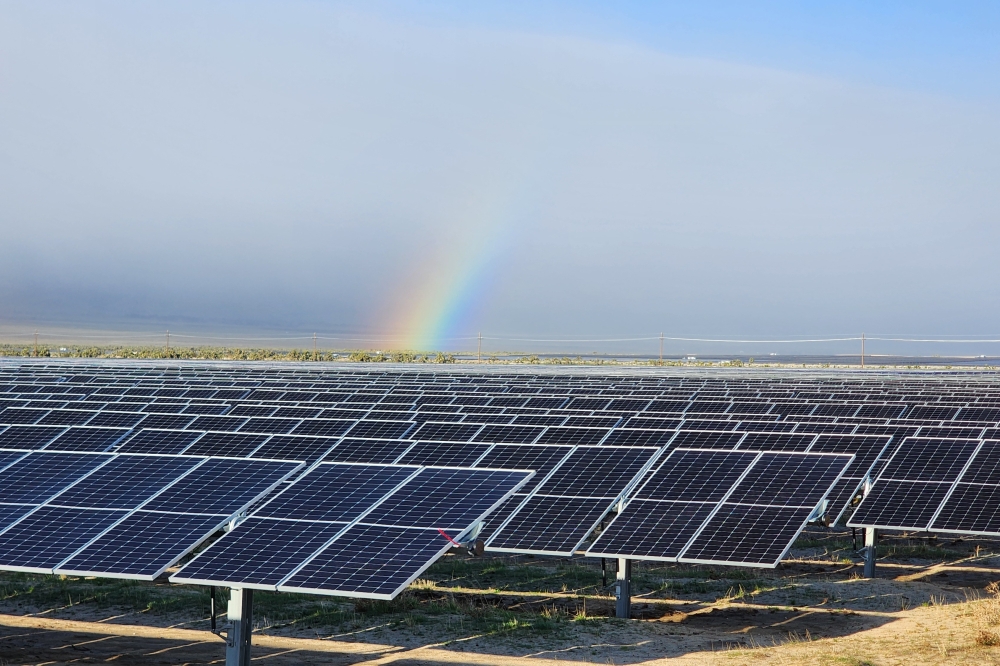
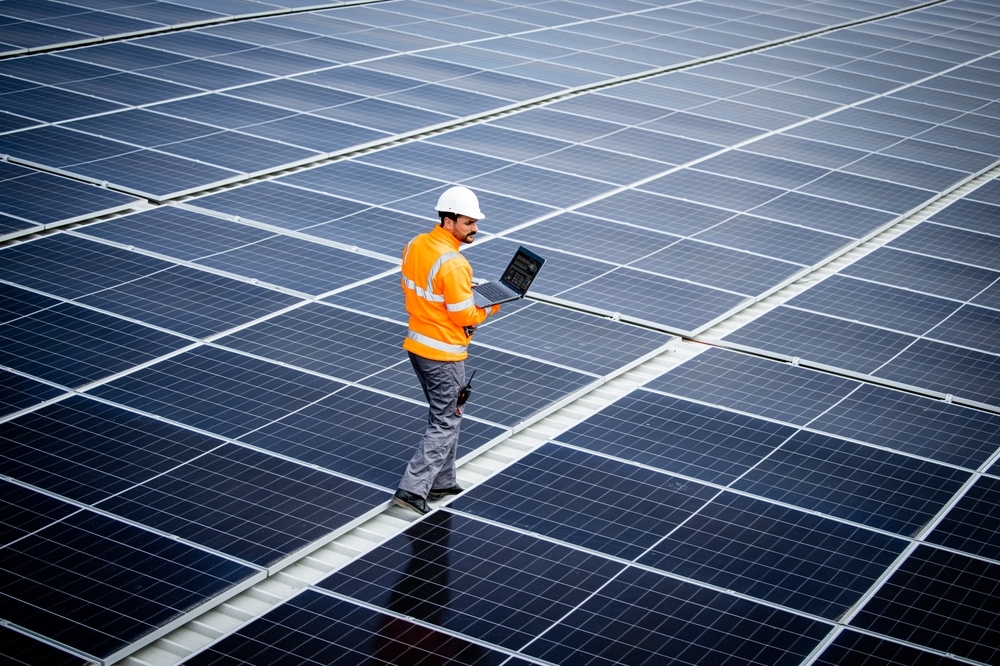
From 27 August, households across Great Britain have been able to buy a compliant plug-in solar kit producing up to 800W, install it themselves and plug it into their home. For consumers, the appeal is straightforward. For the electricity network, it raises a more interesting question: as small-scale generation becomes easier to connect, how do network operators maintain visibility of what is happening at the edge of the grid?
One 800W installation is unlikely to have a material impact. But if adoption grows to hundreds of thousands of homes, particularly if installations cluster in the same streets or neighbourhoods, the picture changes. These systems can export surplus generation onto the distribution network, meaning local patterns matter.
And plug-in solar is an early example of a much bigger change. Batteries, electric vehicles (EVs), heat pumps and other flexible technologies sit outside these new rules, but together they are changing demand, generation and power flows on low-voltage networks. As the grid becomes more distributed, the way we understand it needs to keep pace.
Register what is connected
One way to maintain that visibility is registration. Under the interim arrangements, compliant plug-in solar systems must include a QR code directing consumers to guidance and the relevant distribution network operator (DNO) registration process. Registration is not automatic, however. The consumer still needs to take that step themselves.
That provides a straightforward route to registration. But if plug-in solar develops into a mass-market, self-installed product, relying on every household to complete the process raises a practical question: how complete will that picture be?
Registration still has an important role. Knowing what has been connected, where it is and whether installations are clustering can help network operators understand potential generation connected to a particular part of the network.
But there is a limit to what an asset register can tell you. Knowing that 100 solar systems are connected in an area does not tell you how much they are generating at 2pm on a Tuesday, how much power is flowing back onto the network or whether that is creating a local constraint.
Observe the network
Registration provides one view of the network, and monitoring provides another. Data from low-voltage (LV) networks and substations, alongside appropriately available smart-meter data, can help DNOs understand what is happening across the system.
As adoption grows, that becomes increasingly valuable. Network operators can see the combined effect of large numbers of small systems, including where power is flowing back onto the network and where local constraints may be emerging.
This won’t necessarily show what every individual solar panel is doing. But it provides something an asset register cannot: evidence of how these technologies are behaving collectively and the effect they are having on the network.
Registration, observability and forecasting
Registration and observability therefore work best together. Register what is connected and where, then complement that asset information with stronger visibility of how the network is behaving in the real world.
Forecasting adds the third layer. Historical and near real-time data can help network operators anticipate how adoption patterns may affect particular areas before constraints become acute. That is increasingly important as DNOs are increasingly expected to plan and invest ahead of need, often before they have certainty about exactly where new demand or generation will emerge.
The principle is straightforward: registration tells us what could happen; observability tells us what is happening; forecasting tells us what is likely to happen next. None is sufficient on its own. Together, they give network operators a stronger basis for planning an increasingly decentralised system.
Plug-in solar is a glimpse of the grid that is coming
Plug-in solar itself should not be framed as a major network risk. Its importance is that it gives us an early view of a much broader change. Over time, networks will need to accommodate growing numbers of small solar systems alongside batteries, EVs, heat pumps and other flexible assets. Those technologies sit under different rules, but together they are making the edge of the grid more active and less predictable.
Making technologies such as plug-in solar easier to adopt is a positive step. The infrastructure beneath them now needs to become easier to understand.
The future challenge is to combine asset knowledge, network observability and forecasting well enough to make confident decisions about what the grid needs next.