Europe’s electrolyser plants sit underused as hydrogen demand stalls
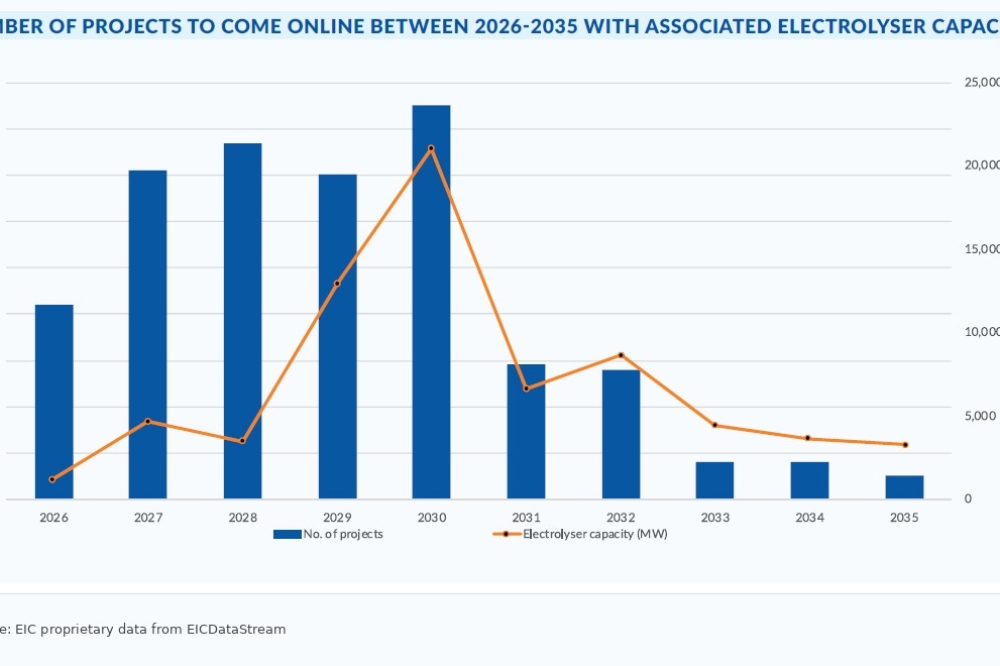
European electrolyser manufacturers have enough capacity to meet expected near-term hydrogen orders, but a shortage of investable projects is leaving plants underused and putting 2030 production targets beyond reach, according to a report by the Energy Industries Council (EIC), the world-leading trade association for the energy supply chain.
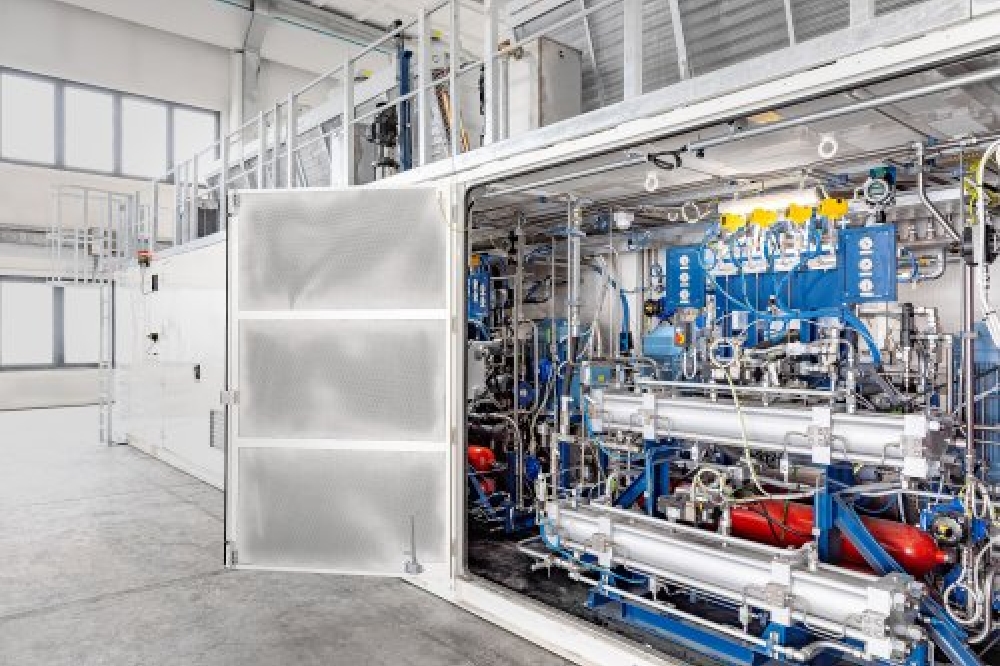
The EIC’s report on Europe’s hydrogen market says the maximum electrolyser manufacturing capacity right now is 8.49 GW a year. But that number includes a hibernated 500MW/year Topsoe plant in Denmark and doesn’t include smaller electrolyser manufacturers with undisclosed capacity. Looking ahead, things are shakier, as the report finds that out of the 31 gigawatts of green hydrogen capacity planned by 2030, only about 3 GW have actually reached a final investment decision, or FID.
That big gap reveals an issue that’s been nagging the hydrogen industry for years. Developers are up against high production costs, uncertain demand, shifting regulations, and a serious lack of long-term offtake agreements. And without contracted buyers, projects just can’t give lenders and investors the revenue certainty they need to move forward. Equally, the lack of sufficient demand and demand infrastructure deters further investment in electrolyser capacity.
The EIC report concludes that electrolyser production is unlikely to constrain European hydrogen development in the short term, with manufacturers expected to fulfil anticipated orders in 2027 and 2028, when the market is likely to remain oversupplied. A shortage could emerge from 2029 if more proposed projects secure investment approval, but that depends on a sharp increase in FIDs.
Six manufacturers, including ITM Power, John Cockerill, Nel, Sunfire, Thyssenkrupp and Topsoe, formed the Electrolysers4Europe coalition in February to push for creating hydrogen demand, clearer regulation and more targeted funding, according to the report.
Like other markets around the world, Europe’s overall hydrogen project pipeline is large on paper. EICDataStream has recorded 624 hydrogen projects announced since 2020, including production, pipelines, storage and other infrastructure. There are 59 projects that are up and running, and 74 that have already been cancelled. Of what's left, nearly half are still at the feasibility stage, and another 15% are sitting on hold.
When it comes to what's being proposed, green hydrogen dominates with 395 developments, while pipelines come in a distant second at 57. Many transport projects remain at feasibility stage, raising the risk that production plants and the infrastructure needed to move hydrogen will not be ready at the same time.
Rebecca Groundwater, EIC’s Global Head of External Affairs, said: ‘Europe has already invested in electrolyser manufacturing capacity, and policy now needs to turn project pipelines into firm demand. That means faster decisions on support schemes, clearer long-term rules for offtake and coordinated investment in transport and storage. Without that certainty, projects will keep slipping, factories will remain underused and the 2030 targets will become harder to reach.’
The UK has Europe’s largest national pipeline, with 130 proposed projects, but only 8% are under or awaiting construction and 21% are on hold. The report projects 3.66GW of electrolytic capacity by 2030, more than 1GW short of the government’s 5GW target. Delays to the second Hydrogen Allocation Round and the absence of a revised hydrogen strategy are weakening visibility for developers and suppliers, the EIC said.
Germany is further advanced. Of its 87 proposed projects, 23% are under or awaiting construction, the highest share among the principal markets covered. Its planned 9,000km Hydrogen Core Network and import links could make it Europe’s central demand hub, although the report says imports may not develop fast enough to meet expected consumption.
Spain has 54 proposed projects and strong renewable resources, but 60% are still at feasibility stage. Scandinavia has 76 projects, with 18% under or awaiting construction and 17% on hold. Across both regions, export plans depend heavily on pipelines to Germany and other European industrial centres.
The EIC estimates that projects representing about 72GW of electrolyser capacity and $269bn in capital expenditure are proposed across Europe. Those figures measure the full pipeline rather than committed spending or equipment orders. Unless FIDs increase sharply, manufacturers face weak order books in the near term; if they do accelerate, the report says manufacturing constraints could begin to emerge from 2029. See the full report here: https://www.the-eic.com/MediaCentre/Publications/Reports