Taking the complexity out of High‑Voltage grid connections
The UK has no shortage of solar projects in the pipeline. With the government targeting 47GW of installed capacity, consented sites and secured Contract for Difference (CfD) contracts are stacking up, yet many generation projects are stalled by the problem of simply securing a grid connection. The final – and often biggest – hurdle to delivery is the high-voltage infrastructure needed to get power onto the network.
For most utility-scale solar projects, connection means working with the local distribution network operator (DNO). But the incumbents aren’t always known for moving quickly, and they may not be the cheapest, fastest or most flexible choice. Developers can often get results by speaking to independent connection providers (ICPs), but many of these lack the expertise to operate at higher voltages such as 132 kilovolts (kV) – often a likely requirement for larger generation projects. Accordingly, it’s important to pick a partner with the necessary expertise and the ability to move at pace.
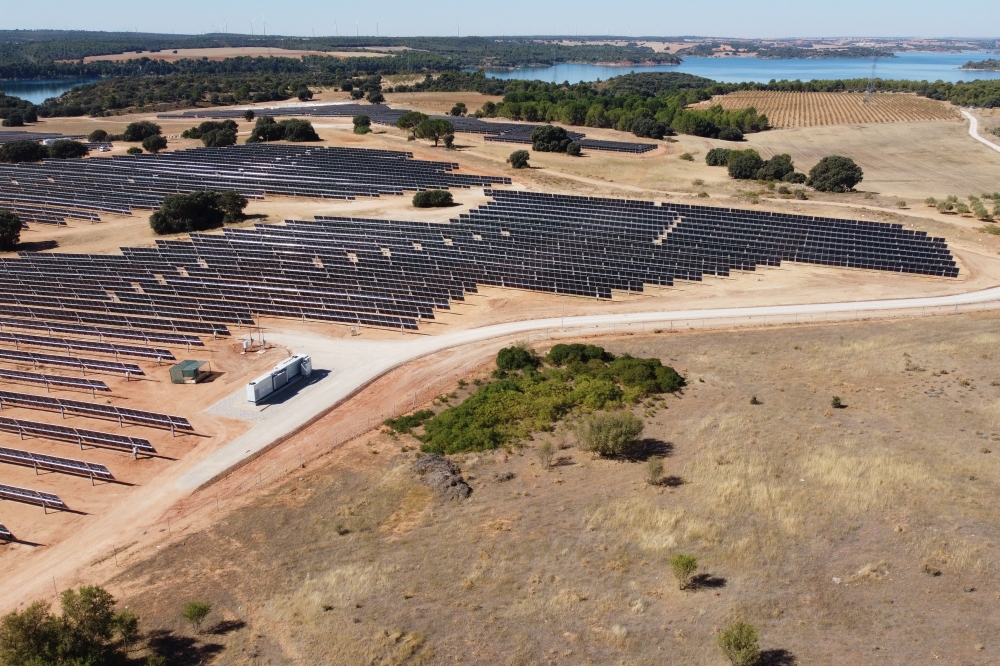
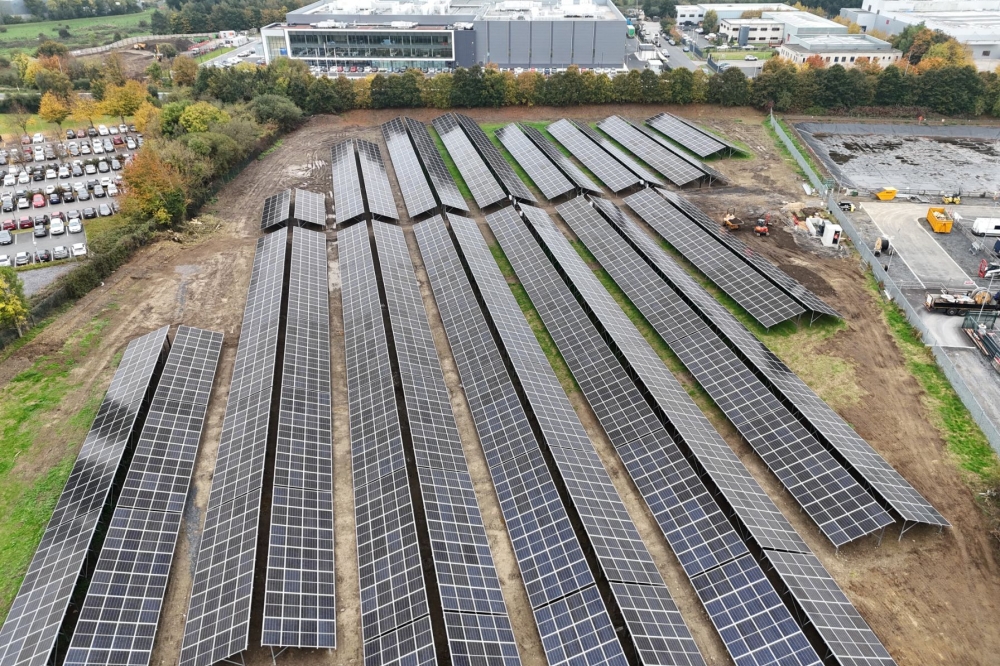
At 132kV the technical demands escalate significantly, and the options available to developers aren’t always well understood. At Gammaton Moor in Devon, a 35 megawatt (MW) solar farm developed by global renewable energy producer Sonnedix illustrates what becomes possible when an ICP has 132kV expertise in its wheelhouse.
Connections on the moor
Gammaton Moor is one of five sites in Sonnedix's 300MW UK solar portfolio, all contracted under CfD allocation rounds AR4 and AR5. Sonnedix, which has a total global capacity of approximately 10 gigawatts (GW) and a development pipeline exceeding 6GW, appointed Sinewave as the ICP to deliver the 132kV connection works for the Devon site.
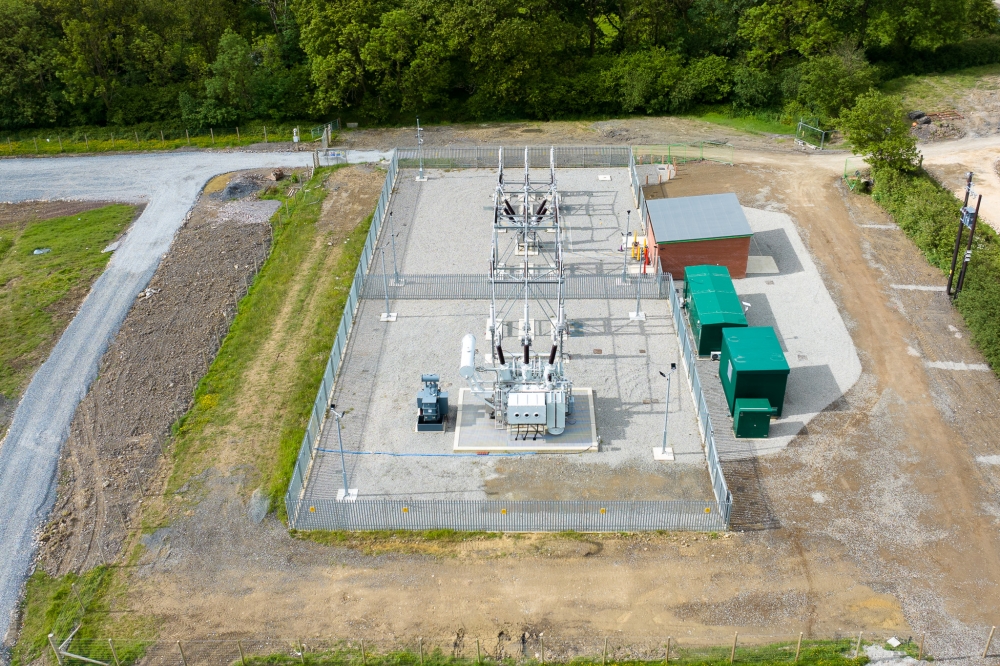
The project required a turnkey approach: design and construction of a 132kV/33kV grid connection substation including a 34MVA transformer, a brick-built DNO switch room, over 500 metres of high-voltage cabling, and the full suite of protection, control and SCADA systems.
The design phase alone demanded a comprehensive programme of network studies including G99 compliance, fault level analysis, protection coordination, and harmonic and voltage-fluctuation assessments. Every element had to satisfy both the DNO's adoption standards and the long-term performance requirements of a facility designed to operate for decades.
Overcoming challenges
Sinewave mobilised in summer 2024. Its turnkey approach meant it could act as a single point of contact for the entire delivery chain. As principal contractor, the company managed civil engineering, electrical installation and commissioning as a single integrated programme, rather than a sequence of handoffs between separate contractors. The developer dealt with one organisation from first concept through to final energisation.
That integration proved critical when the project encountered two challenges that could have caused significant delays. The first was down to Gammaton's rural Devon location, at which mains water and sewerage connections would involve considerable additional expense and work. Rather than force an impractical utility connection, Sinewave worked with National Grid to design an alternative: a septic tank combined with a rainwater harvesting and filtration system to serve the site's welfare facilities. This pragmatic engineering decision helped avoid weeks of delay and unnecessary cost.
The second was the energisation window. Coordinating with National Grid's outage schedule meant the window for energisation was fixed well in advance. To make the most of it, Sinewave carried out a partial energisation using a low-level disconnector, which allowed work to continue on the customer side of the site while the DNO connection went live. Without that decision, the programme could have faced months of delay waiting for the next available slot.
Beyond Gammaton
The full 132kV connection was energised in April 2026. The 34MVA transformer, DNO switch room, protection panels and cabling network were all live and performing to specification, enabling Sonnedix's facility to begin exporting renewable electricity to the national network. Once fully operational, the site is expected to power over 13,000 homes and avoid approximately 10,000 tonnes of carbon emissions annually.
The significance of the work at Gammaton extends beyond the specifics of a single solar farm in Devon. Indeed, Sinewave is Sonnedix’s connection partner for the delivery of the 120MW South Oxfordshire Solar Farm, destined to be the largest plant in the business’ UK portfolio. As the UK's connection queue undergoes its most significant reform in a generation, developers at every scale are being forced to think differently about how they get connected. The TM04+ reforms and NESO's gate process are designed to bring order to a system that had become gridlocked – but reforming the queue is not the same as building the infrastructure.
Sinewave’s work at Gammaton demonstrates that an ICP with the necessary accreditation, design capability and construction expertise can deliver a 132kV connection on a turnkey basis. When connections remain congested and major projects are still at risk of slipping, having an experienced and dependable connections partner can be a commercial differentiator – and even the difference between a project being built or not.