LONGi achieves two world efficiency records
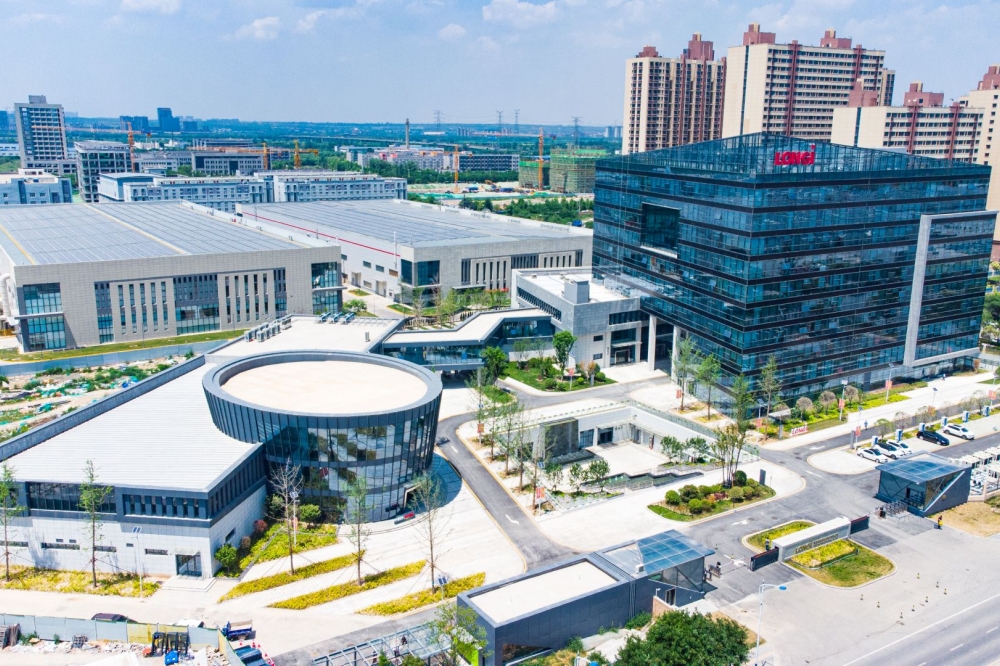
The Institute for Solar Energy Research Hamelin (ISFH) in Germany has certified a solar cell efficiency of 28.13 percent. Additionally, modules based on HIBC cells have been certified by the National Laboratory of the Rockies (NLR) in the United States with an efficiency of 26.4 percent.
Technical developments in passivation and crystallization improve HIBC cell efficiency
The HIBC cells were developed by the Central R&D Institute of LONGi. The development team implemented core technologies including in-situ Patterned Edge Passivation (iPET) and Laser-Induced Crystallization modification (LIC). Through the optimization of structural design, material selection, and fabrication processes, the team focused on improving optical performance, interface passivation quality, and charge transport efficiency. These technical developments are intended to provide a pathway for the commercial deployment of high-efficiency crystalline silicon cells.
LONGi EcoLife series modules reach 25 percent mass production efficiency in global rankings
While laboratory benchmarks continue to rise, the technology has already achieved significant performance levels in commercial applications. In April 2026, the global media outlet TaiyangNews released its ranking of commercialized module efficiencies. The LONGi EcoLife series modules, which utilize HIBC technology, secured the top position with a mass-production efficiency of 25 percent. This result represents the successful transition of HIBC technology from the research stage to large-scale commercial use.
LONGi focuses on the industrial application of laboratory efficiency gains
The company is prioritizing the translation of laboratory research into large-scale industrial production. By accelerating the transition from research achievements to high-volume manufacturing, LONGi aims to provide more competitive solar products for the global market. The focus remains on independent technological development to support the requirements of the international energy transition and the development of sustainable energy systems.