Energy Instability: why hyper local innovation is the new competitive advantage in a volatile world

The energy landscape is shifting faster than most organizations can adapt. Electrification is accelerating, demand is rising, and systems are becoming more complex. At the same time, instability is increasing, from strained grids to disrupted supply chains. This is not a temporary disruption. It is a structural reset.
Electricity demand is expected to grow by around 3.4% per year through 2026, driven by AI, data centers, and industrial electrification. But while the growth outlook is global, the drivers, and the constraints look different market to market. Data center load is a major factor in parts of the U.S., industrial electrification is accelerating in China, and fast-growing economies such as India are expanding access and capacity at scale.
At the same time, energy production and consumption still account for around 75% of global greenhouse gas emissions. The challenge is clear. Energy systems globally must scale quickly, while becoming more resilient and efficient all while customizing to local needs and constraints.
Why Hyper-Local Innovation Is Necessary Now
For decades, energy systems were designed centrally and deployed globally. That model delivered scale, but it is increasingly misaligned with today’s realities, especially with the current geopolitical environment. Energy systems are now shaped by local conditions, from grid constraints and climate to regulation.
The most viable technologies can also vary by geography: Iceland has scaled geothermal power, but that model will not translate everywhere. Likewise, offshore wind can be transformative but only for coastal countries, while landlocked countries will prioritize different energy sources.
At the same time, supply chains are being redesigned for resilience, as nearly 90% of companies are investing in stronger, more adaptive networks. Component shortages, and raw‑material constraints make localized manufacturing and sourcing critical. This creates a growing gap between global ambition and local execution. A single, standardized approach can no longer meet every need. Solutions must be globally scalable but locally engineered.
From ‘One-Size-Fits-All’ to Market-Ready Innovation
In this environment, a change in thinking is required. Organizations need operating models that treat localization as a core capability, not a last-mile task. The goal is to engineer, certify and deploy quickly in local markets but that can be scaled globally. That typically means tighter connections between global R&D and regional engineering, certification, manufacturing, partner ecosystems, and field execution, so innovations arrive “market-ready”, not “market-adjusted” with the ability to make it available worldwide if needed.
This strategy allows designing for scale while engineering for local needs, so customers can configure the product with fewer surprises. For many organizations, that also increasingly extends into regionalized sourcing and manufacturing to reduce lead times and exposure to disruptions.
Innovation Practices That Deliver Value Faster
Technologies developed in one region can be adapted and scaled across others, which delivers value at speed through clear structure but also new, localized ways of working. Indeed, this allows rapid adaptation to regional grid codes, certification requirements, and climate conditions. Digital twins enable simulation of real-world environments, from European buildings to U.S. data centers and Asian distribution networks. AI models are increasingly trained on local data, including tariffs, weather patterns, and industrial behavior. This improves accuracy and performance in each region.
At the same time, regionalized supply chains reduce dependency on global bottlenecks. They shorten lead times, lower risk, and reduce carbon impact. We are seeing this reflected in the varying focuses for product innovation globally; for example, in Europe, the approach is focused on sustainability and regulatory alignment. Technologies such as SF₆-free switchgear are accelerating decarbonization while meeting strict compliance requirements.
In China, high-speed innovation and advanced manufacturing are reducing development cycles and improving productivity which enables rapid scaling of new technologies. In North America, innovation is focused on grid resilience. Grid modernization and digital automation are helping utilities and large energy users manage fast load growth and tighter power-quality requirements.
Across all regions, the principle remains the same. Solutions must be adapted to local specificities while benefiting from global expertise.
Multi‑Hub Strategy and Market‑Ready Validation
A key differentiator is how organizations innovate at scale. At Schneider Electric, we operate four global hubs that are empowered, accountable, and interlinked, designed to drive proximity to customers while remaining globally coordinated. This multi‑hub approach decentralizes innovation, engineering, and execution, enabling teams to operate closer to local markets, factories, and energy realities, while ensuring that solutions and learnings can scale globally.
In parallel Schneider Electric maintains a global network of advanced testing and validation laboratories designed to replicate real‑world operating environments. These facilities allow technologies to be tested and validated before deployment reaches the customer.
In North America, Schneider Electric operates dedicated data center and microgrid testing laboratories at its Global R&D Center in Andover, Massachusetts, where full systems are validated using grid, solar, and load simulators that mirror real operating conditions.
In Europe, Schneider Electric operates specialized Testing Expertise laboratories that focus on the validation of electrical and energy systems under stringent technical and regulatory conditions. These labs provide comprehensive testing capabilities across high‑voltage, medium‑voltage, and low‑voltage equipment, as well as protection systems, power quality, and safety compliance. They play a critical role in ensuring products meet international and regional standards before entering the market, particularly for critical infrastructure, industrial applications, and grid operations.
In India, Schneider Electric’s the GiGA Labs (Innovation & Technology Labs), located in Bangalore provide comprehensive electrical, mechanical, environmental, and electromagnetic compatibility testing, supporting both pre‑compliance and compliance certification against Indian and international standards. The labs also operate as a customer test facility enabling product qualification for global markets.
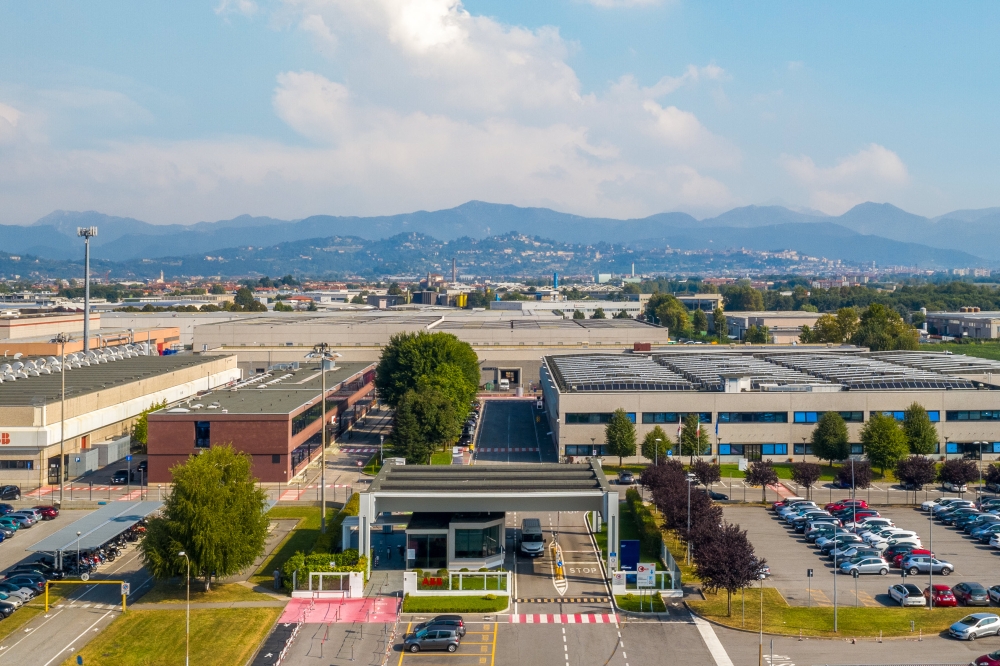
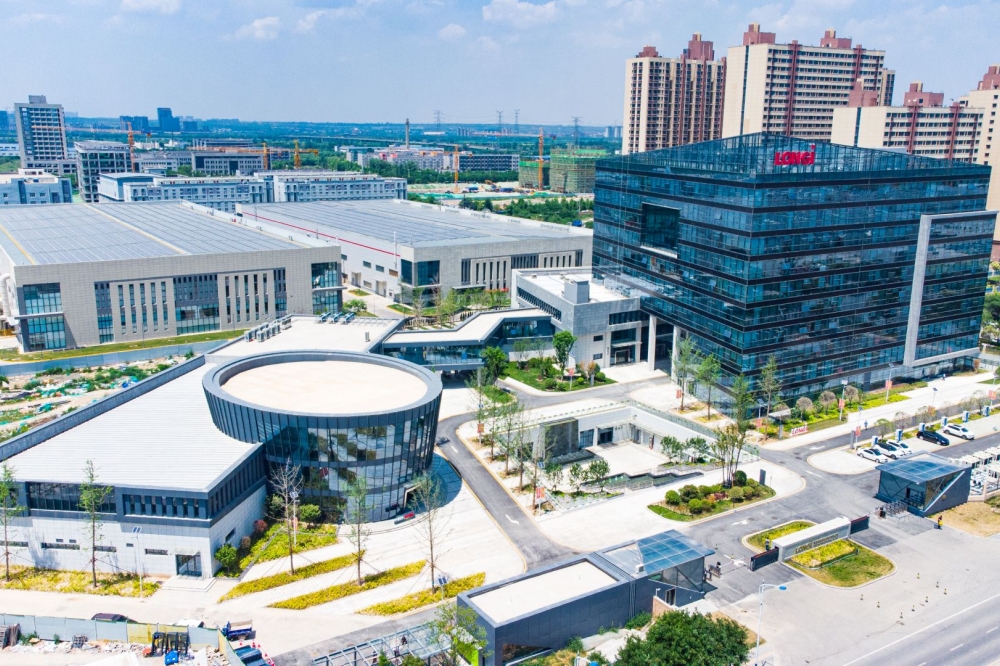
In China, the Wuxi Automation R&D Center is built directly next to its affiliated factory, significantly shortening logistics and testing cycles, cutting one to two months from projects with typical two year development timelines. This proximity allows R&D engineers to observe product testing directly on the production line, enabling rapid feedback, agile design adjustments, and faster R&D iteration. The same model is applied at the Xiamen Medium Voltage R&D Center and its factory.
Building Resilience in a Decentralized Energy System
The transition to a more electrified and decentralized energy system is accelerating. Renewable energy capacity is expected to more than double by 2030 transforming how energy is produced and consumed.
But scale alone is not enough. Systems must also be adaptable, responsive, and resilient.
In a world defined by electrification and uncertainty, the future of energy will be built locally, and scaled globally. The energy technology partners that earn trust will be those who can combine global depth with local delivery, bringing resilient architectures, validated performance, and high-quality execution to customers in their markets.