Solar’s Next Leap Will Not Be About Intelligence

By Luis Narvarte, Professor at the Technical University of Madrid and Coordinator of the PVOP Project.
For more than two decades, the photovoltaic industry has focused on one overriding objective: deploying more solar capacity. That ambition transformed photovoltaics into one of the world's fastest-growing and most cost-effective sources of electricity, helping reshape the global energy landscape.
Today, photovoltaic energy is entering a new stage of maturity. Across the continent, solar installations continue to expand at historic speed, supported by climate targets, electrification policies, and growing concerns over energy security.
But as solar becomes an increasingly important part of modern power systems, success can no longer be measured by installed capacity alone.
The next frontier lies in operational intelligence. Photovoltaic plants are evolving into highly connected, data-rich assets that must continuously interact with weather forecasting, storage systems, electricity markets and increasingly digitalised grids. Managing this complexity requires a new generation of tools capable of transforming operational data into better decisions.
This shift may sound subtle, but it changes almost everything about how the photovoltaic industry must think about itself.
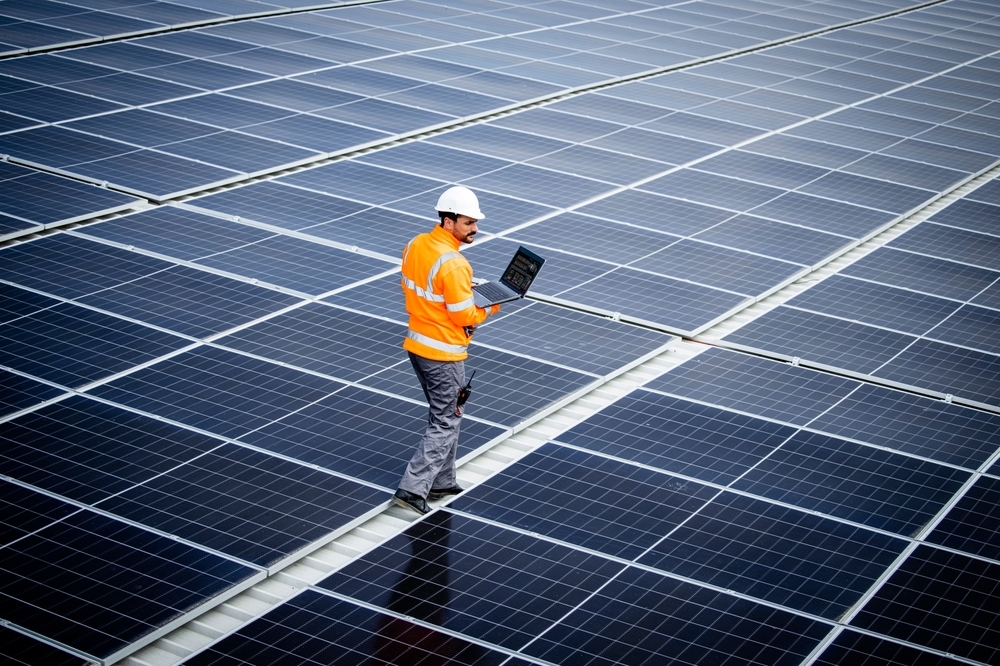
Modern PV plants are no longer static electricity generators. They are increasingly complex, data-intensive infrastructures producing enormous volumes of operational information every second. Irradiance levels, inverter behaviour, tracker positions, temperature variations, weather inputs, alarms, market signals, storage cycles, and grid conditions all interact continuously.
The problem is not the lack of data. The problem is our ability to process it. Many operational teams are overwhelmed by the scale and complexity of information generated by modern solar portfolios. As photovoltaic deployment accelerates toward the terawatt era globally, traditional supervision and maintenance approaches are becoming insufficient. Human operators alone can no longer efficiently detect anomalies, identify performance losses, or optimise systems in real time across large utility-scale assets.
This matters because even small inefficiencies can create major losses at scale. A disconnected string, an overheating inverter, tracker misalignment, module degradation, or soiling losses may appear minor individually. But across large solar farms, these
issues can gradually reduce energy production and generate significant financial losses over time. Studies already show that many PV systems continue operating with undetected faults for extended periods, while degradation slowly erodes performance year after year.
In other words, the future competitiveness of solar energy will not depend only on how many panels are installed. It will increasingly depend on how intelligently those systems are operated. This is where digitalisation, artificial intelligence, and big data become essential.
Artificial intelligence is not replacing human expertise in photovoltaics. Rather, it is becoming an extension of it. AI systems allow operators to analyse enormous datasets, identify patterns, predict failures, and optimise performance far faster than would ever be possible manually.
In practical terms, this changes the operational philosophy of the sector. Maintenance can move from reactive to predictive. Instead of waiting for faults to become visible after energy losses have already occurred, AI-based systems can detect abnormal behaviour early and anticipate failures before they impact production.
At the same time, advanced sensorisation is becoming increasingly important. Reliable artificial intelligence depends on reliable data. Without accurate measurements, even the most advanced digital tools lose effectiveness.
For this reason, one of the major priorities in the next generation of PV operations is improving data quality itself. Advanced meteorological stations, precise irradiance measurements, string-level monitoring, and improved environmental sensing help reduce uncertainty and provide a far more accurate understanding of how plants actually behave in real operating conditions. This also enables the development of digital twins, virtual replicas of photovoltaic plants continuously updated using live operational data. These models make it possible to simulate performance, forecast degradation, improve diagnostics, and optimise operational strategies with much greater precision than traditional methods allow.
But operational intelligence is no longer limited to technical performance alone. It is increasingly connected to market behaviour and grid integration.
As renewable penetration rises across Europe, electricity markets are becoming more volatile and less predictable. Negative electricity prices, curtailment periods, and grid bottlenecks are becoming increasingly common in highly solarised markets such as Spain and Germany.
This creates a new reality for photovoltaic operators. Producing electricity is not always enough. Operators must increasingly decide when to store electricity, when to inject it into the grid, and when market conditions make production economically inefficient.
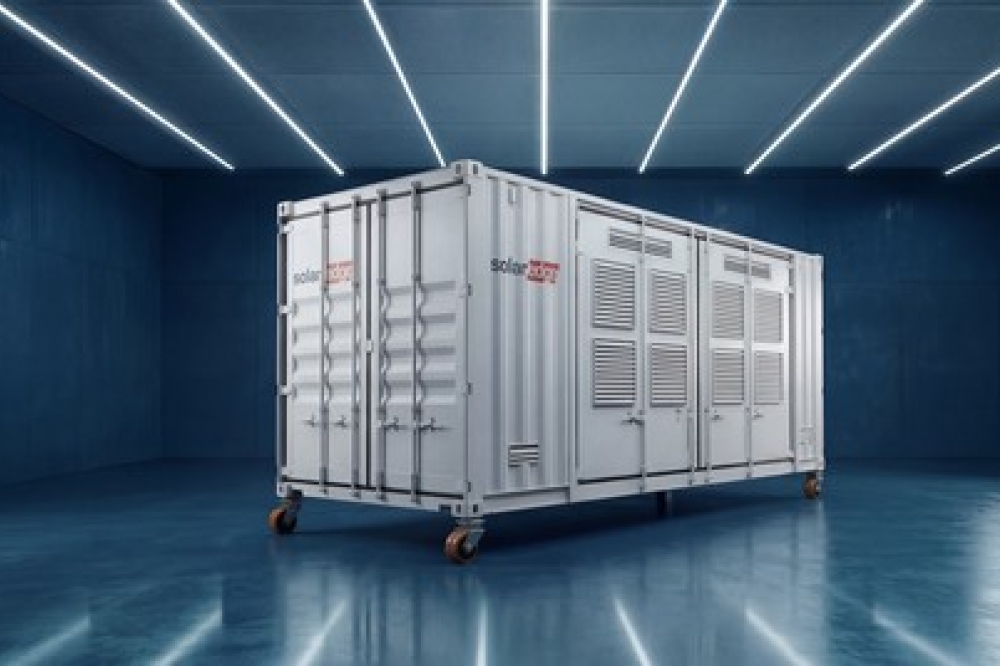
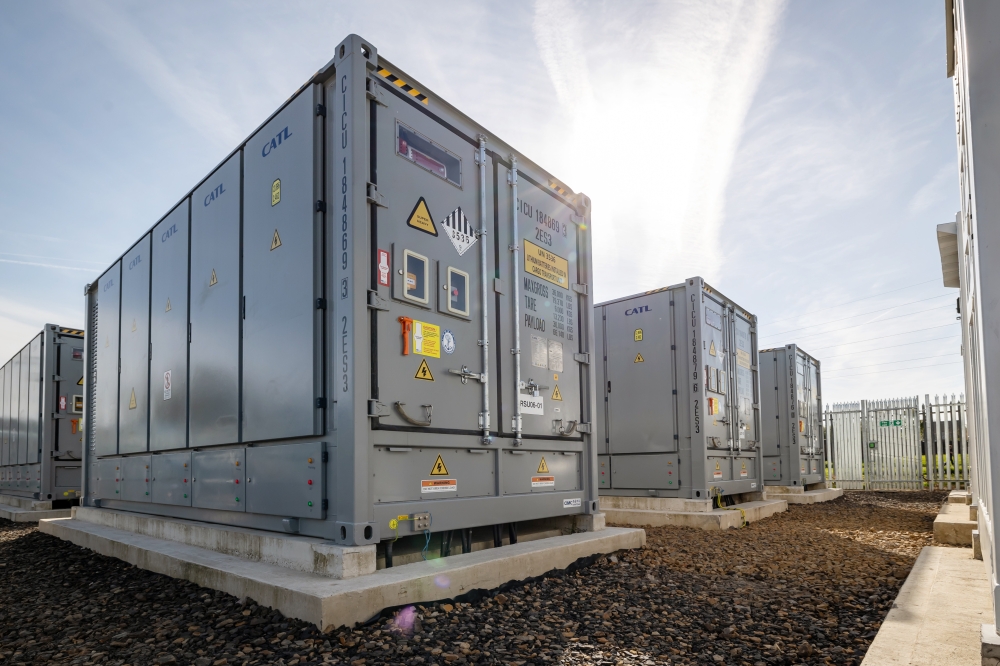
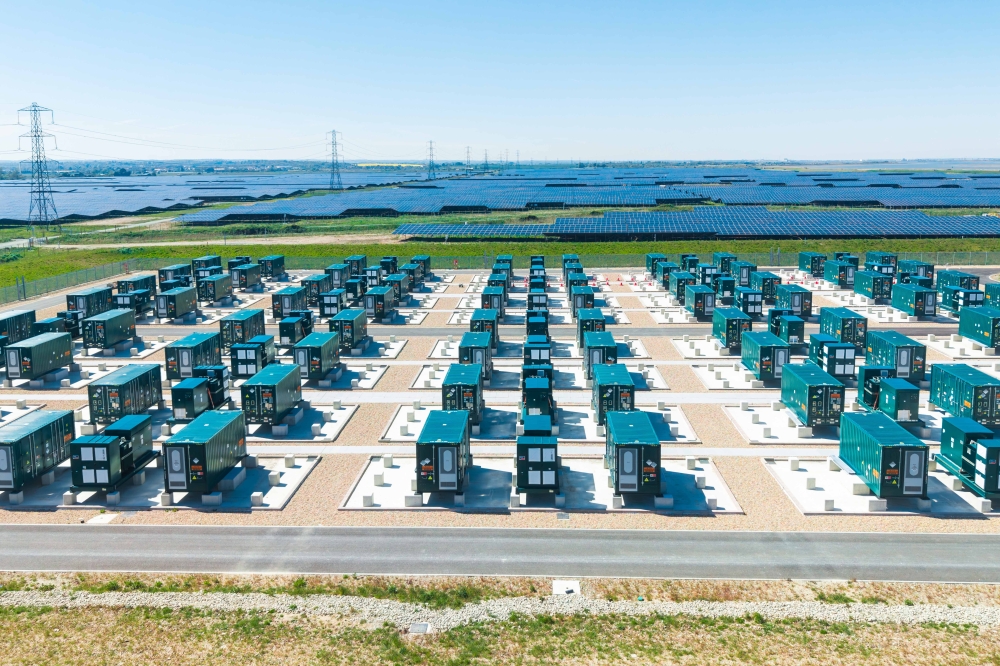
This is why battery integration and AI-based forecasting tools are becoming central elements of modern photovoltaic operations.
Artificial intelligence can now combine weather forecasts, historical demand patterns, and grid conditions to anticipate electricity price fluctuations and optimise operational decisions. Smart battery management systems can help operators avoid curtailment, optimise charging cycles, provide balancing services to the grid, and stabilise revenues in increasingly volatile energy markets.
This represents a broader transformation in the role of photovoltaic systems themselves.
The next challenge is not simply producing electricity. It is producing, storing, managing, and trading that electricity in the most intelligent way possible. This operational transformation is precisely the context in which the PVOP project was created.
PVOP brings together researchers, companies, and technical partners across Europe to develop an integrated framework for data-driven photovoltaic operations. The project analyses more than 11 GW of operational PV data while developing interconnected solutions focused on advanced sensorisation, smart tracking systems, automated fault diagnosis, predictive asset management, digital twin forecasting, electricity market prediction, and AI-driven battery control.
The objective is not to create isolated digital tools, but to develop a more intelligent operational ecosystem for photovoltaic systems as a whole.
Importantly, these challenges are not unique to Europe. The photovoltaic market is global. Large-scale PV deployment is accelerating across Asia, Latin America, the Middle East, Australia, and North America, and many of the same operational problems are emerging everywhere: data overload, performance optimisation, grid integration challenges, and increasing pressure on profitability.
This means that the solutions developed today must also be scalable internationally. The technologies we are building are designed not only for European PV plants, but for utility-scale solar systems worldwide.
Photovoltaics has already proven that it can scale technologically and economically. The next stage is proving that it can scale operationally as well. Europe’s energy transition increasingly depends on this.
Solar power is becoming one of the central pillars of electrification, energy security, and decarbonisation. But as photovoltaic systems become larger, more interconnected, and more integrated into electricity markets, operational intelligence will become just as important as generation capacity itself.
The sector’s next leap forward will not simply come from installing more solar panels. It will come from learning how to operate them intelligently.