Battery Energy Storage System market to hit $881.46 billion by 2034
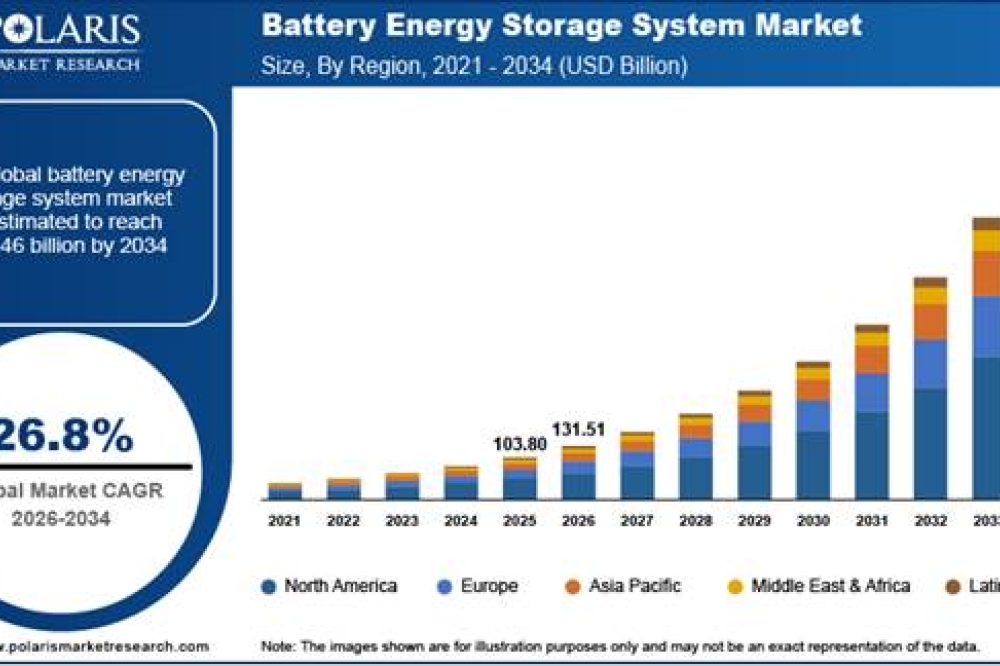
According to the latest insights from Battery Energy Storage System Market Report, the Battery Energy Storage System (BESS) Market is projected to surge from USD 103.80 billion in 2025 to USD 881.46 billion by 2034, registering a remarkable CAGR of 26.8% during 2026–2034. This exponential growth reflects the increasing urgency to stabilize power grids, optimize renewable energy utilization, and ensure reliable electricity supply in a decarbonizing world.
Market Overview: The Backbone of Renewable Energy Infrastructure
Battery Energy Storage Systems are advanced technologies designed to store electricity for later use, enabling utilities, industries, and households to manage energy demand more efficiently. These systems play a pivotal role in balancing intermittent renewable energy sources such as solar and wind, reducing peak load stress, and ensuring grid stability.
As countries worldwide transition toward low-carbon economies, BESS has become a critical enabler of energy transformation. The rapid expansion of renewable energy installations, coupled with increasing electrification across industries, is driving the demand for scalable and efficient energy storage solutions. Additionally, the rise of distributed energy systems and microgrids is further accelerating market adoption.
Strong Growth Drivers Fueling Market Expansion
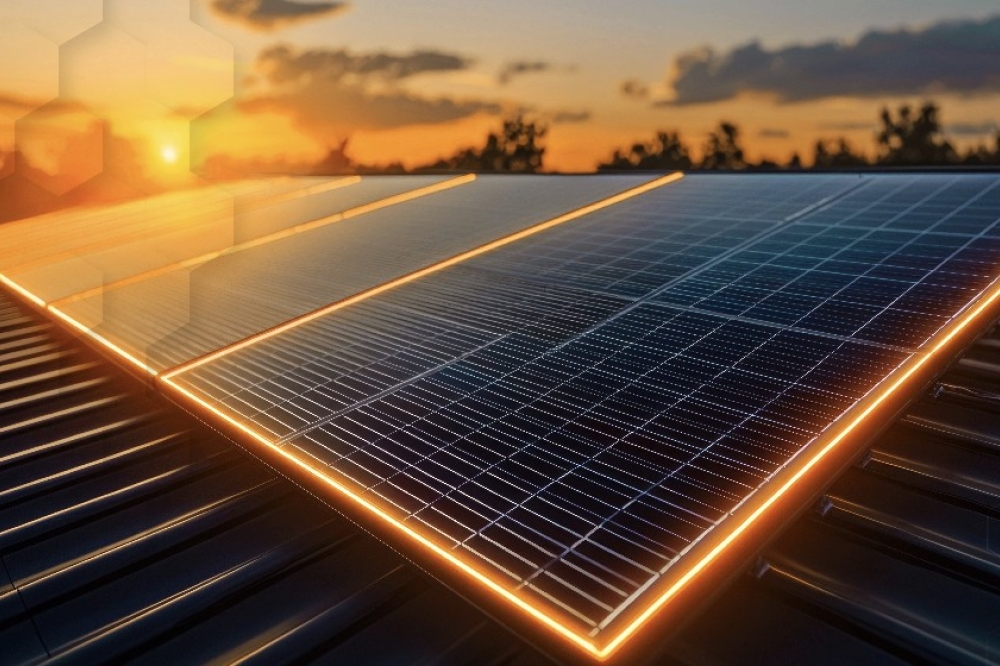
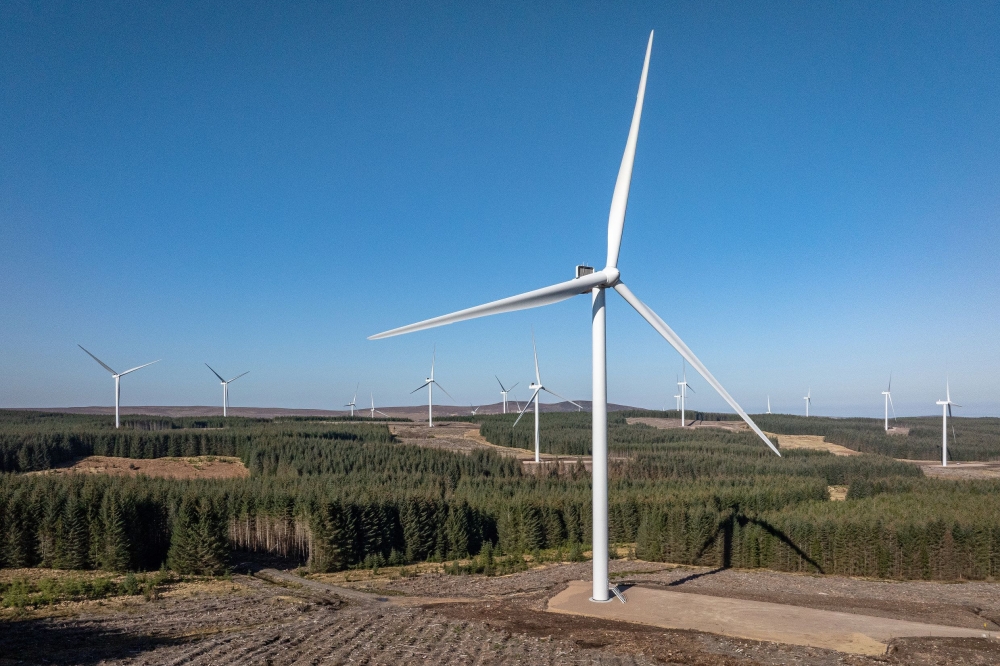
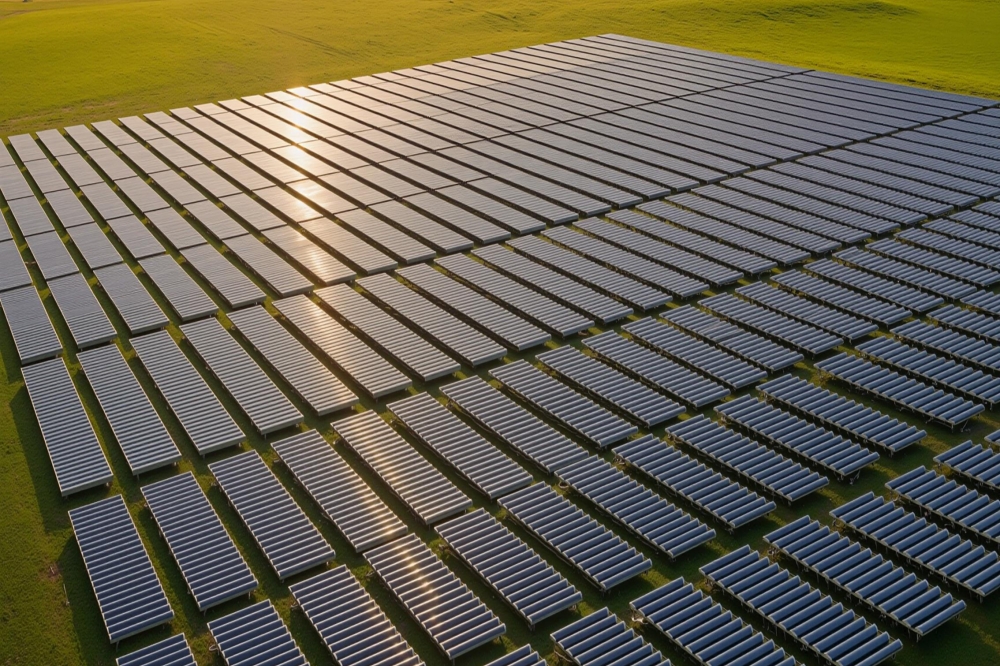
One of the primary drivers of the Battery Energy Storage System market is the rapid integration of renewable energy sources. Solar and wind energy, while sustainable, are inherently intermittent. BESS addresses this challenge by storing excess energy during periods of high generation and releasing it during peak demand, thereby ensuring a continuous power supply.
Another key growth catalyst is the modernization of aging grid infrastructure. Utilities are increasingly investing in advanced storage systems to enhance grid flexibility, improve reliability, and reduce transmission losses. Moreover, the growing adoption of smart grids and digital energy management systems is creating new opportunities for BESS deployment.
The declining cost of battery technologies, particularly lithium-ion batteries, has also significantly boosted market growth. Over the past decade, advancements in manufacturing processes and economies of scale have made energy storage solutions more affordable and accessible, encouraging widespread adoption across residential, commercial, and utility sectors.
Technology Trends: Lithium-Ion Dominance and Emerging Innovations
From a technology standpoint, lithium-ion batteries dominate the market, accounting for the largest share due to their high energy density, fast discharge capabilities, and versatility across applications. These batteries are widely used in residential systems, commercial facilities, and large-scale utility projects.
However, the market is also witnessing the emergence of alternative storage technologies, including flow batteries, sodium-ion batteries, and long-duration energy storage (LDES) systems. These innovations are designed to overcome the limitations of traditional lithium-ion systems, such as limited storage duration and raw material constraints.
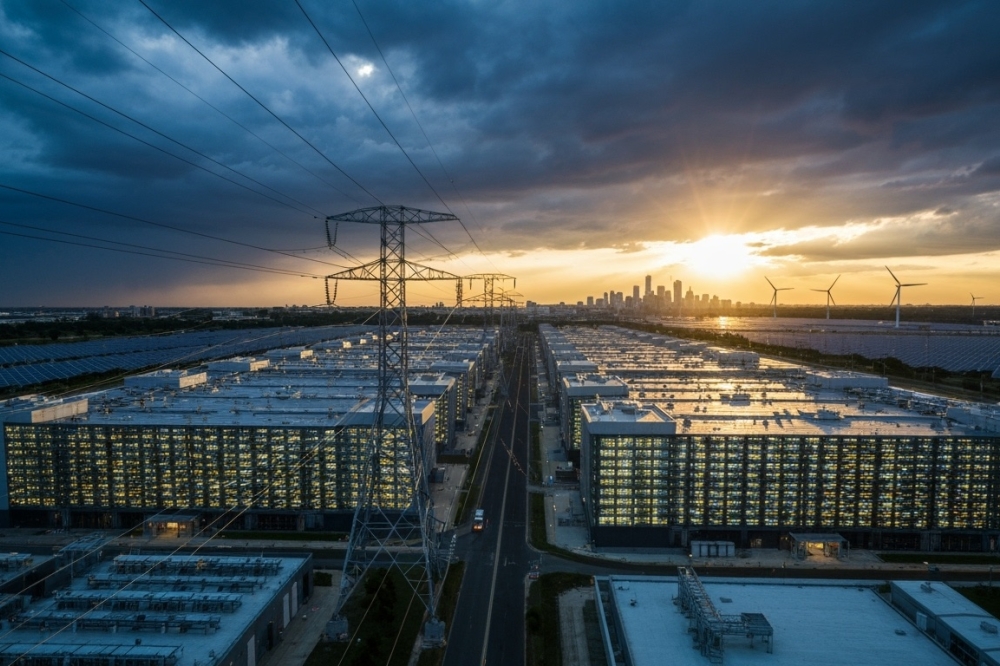
Notably, recent developments highlight the increasing demand for long-duration storage solutions to support round-the-clock renewable energy supply, particularly for energy-intensive sectors like data centers and industrial operations. This trend is expected to reshape the competitive landscape and drive further technological advancements in the coming years.
Segment Insights: Utility-Scale Deployments Lead the Market
Based on application, the utility segment dominates the BESS market, driven by large-scale deployments aimed at enhancing grid stability and supporting renewable integration. These installations often exceed 500 MWh capacity, reflecting the growing demand for high-capacity storage solutions in power generation and distribution networks.
In terms of connection type, on-grid systems account for a significant share, as utilities focus on strengthening centralized power infrastructure. Meanwhile, off-grid systems are gaining traction in remote and underserved regions, where reliable electricity access remains a challenge.
The residential and commercial segments are also experiencing rapid growth, fueled by rising electricity costs, increasing adoption of rooftop solar systems, and the need for backup power solutions.
Regional Analysis: Asia-Pacific Emerges as a Growth Powerhouse
Geographically, Asia-Pacific leads the global Battery Energy Storage System market, driven by aggressive renewable energy targets, supportive government policies, and rapid industrialization. Countries such as China, India, Japan, and South Korea are investing heavily in energy storage infrastructure to support their clean energy ambitions.
North America is also witnessing substantial growth, supported by federal incentives, grid modernization initiatives, and increasing demand for energy resilience. The United States, in particular, has seen a surge in battery storage installations, driven by utility-scale projects and the expansion of solar energy capacity.
Europe, meanwhile, is focusing on integrating renewable energy into its grid while enhancing energy security, further contributing to market expansion.
Competitive Landscape: Strategic Investments and Partnerships
The Battery Energy Storage System market is highly competitive, with key players focusing on innovation, strategic collaborations, and large-scale project deployments. Companies are investing in advanced battery chemistries, modular storage solutions, and AI-driven energy management systems to gain a competitive edge.
The increasing involvement of technology companies, utilities, and infrastructure developers is also reshaping the market dynamics. Strategic partnerships between energy providers and technology firms are accelerating the deployment of next-generation storage solutions, enabling faster and more efficient integration of renewable energy.
Challenges: High Capital Costs and Supply Chain Constraints
Despite its strong growth trajectory, the BESS market faces several challenges. High initial capital costs remain a significant barrier, particularly for large-scale projects. Additionally, the complexity of integrating storage systems with existing grid infrastructure poses technical challenges.
Supply chain constraints, including the availability of critical raw materials such as lithium, cobalt, and nickel, also present risks to market growth. However, ongoing research and development efforts aimed at alternative battery chemistries are expected to mitigate these challenges over time.
Future Outlook: A Cornerstone of the Clean Energy Transition
Looking ahead, the Battery Energy Storage System market is set to play a central role in the global transition to sustainable energy. As renewable energy adoption continues to accelerate, the demand for efficient and scalable storage solutions will only increase.
The convergence of energy storage with digital technologies, including artificial intelligence and IoT, is expected to unlock new opportunities for optimization and efficiency. Furthermore, the growing focus on decarbonization, energy independence, and grid resilience will drive long-term market growth.
Conclusion: A High-Growth Opportunity in Renewable Energy
The Battery Energy Storage System Market represents one of the most dynamic and high-growth segments within the Renewable Energy industry. With robust investment trends, rapid technological advancements, and strong policy support, BESS is poised to become a cornerstone of modern energy systems.
For stakeholders, investors, and policymakers, this market offers unparalleled opportunities to capitalize on the global shift toward clean, reliable, and sustainable energy solutions.