Energising the Power Sector: Balancing Reliability, Resilience, and Renewables in the U.K.

The United Kingdom is an early player in the energy transition, and among the first countries to adopt a target of net zero by 2050. Although U.K. emissions have fallen by half since 1990, significant works remains to fully decarbonise the power sector. The challenge is threefold: scaling up renewables, ensuring grid stability and resilience, and improving customer satisfaction. Integrating renewable energy sources at scale is a primary hurdle, alongside developing new technologies like Carbon Capture, Utilization, and Storage (CCUS), hydrogen and small modular reactors.
Renewables and Reliability
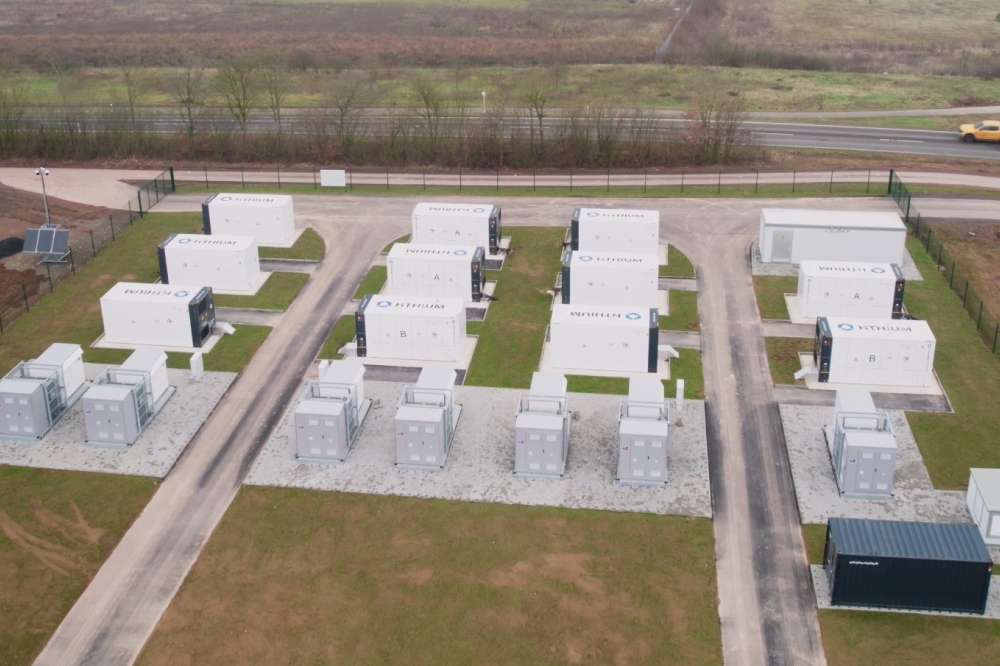
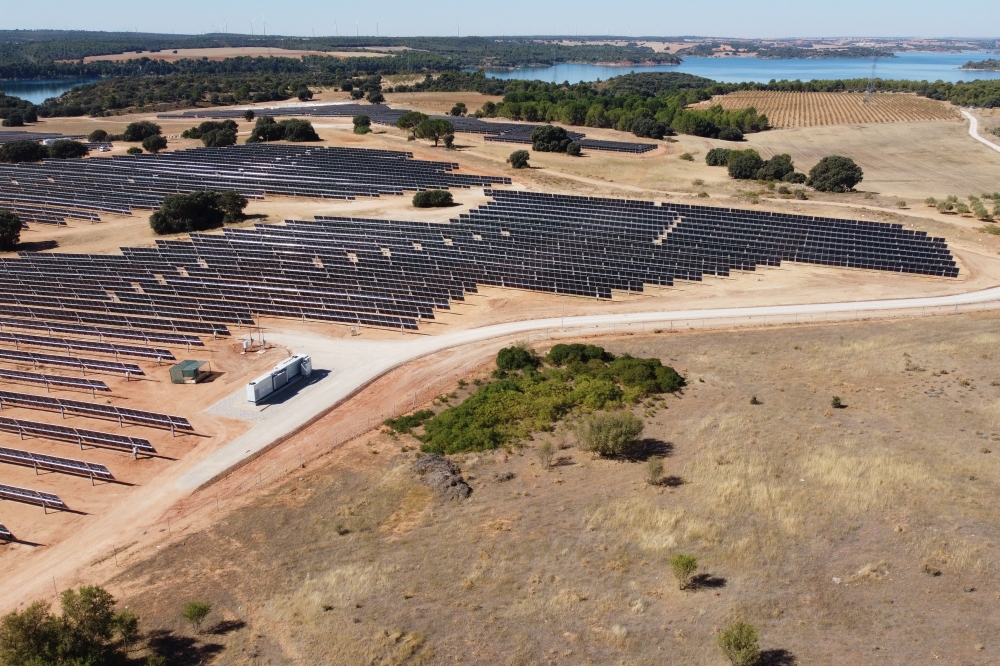
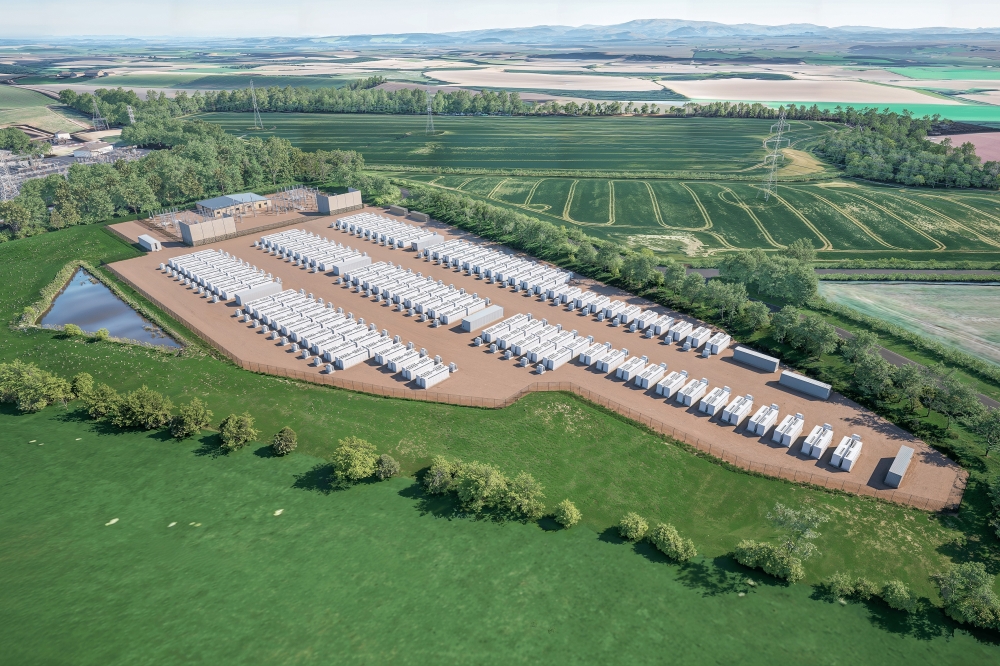
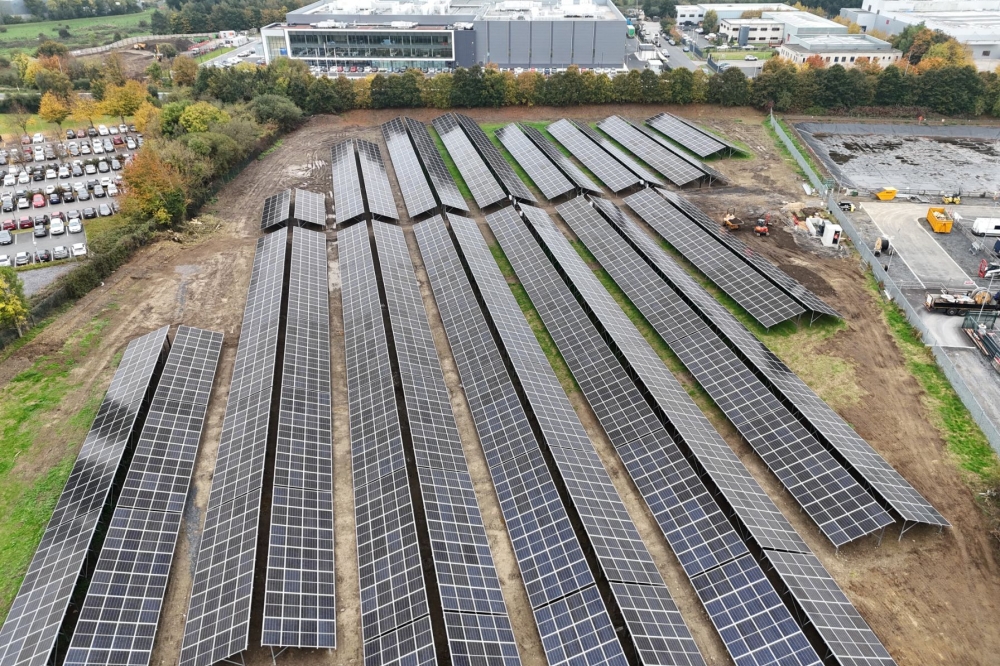
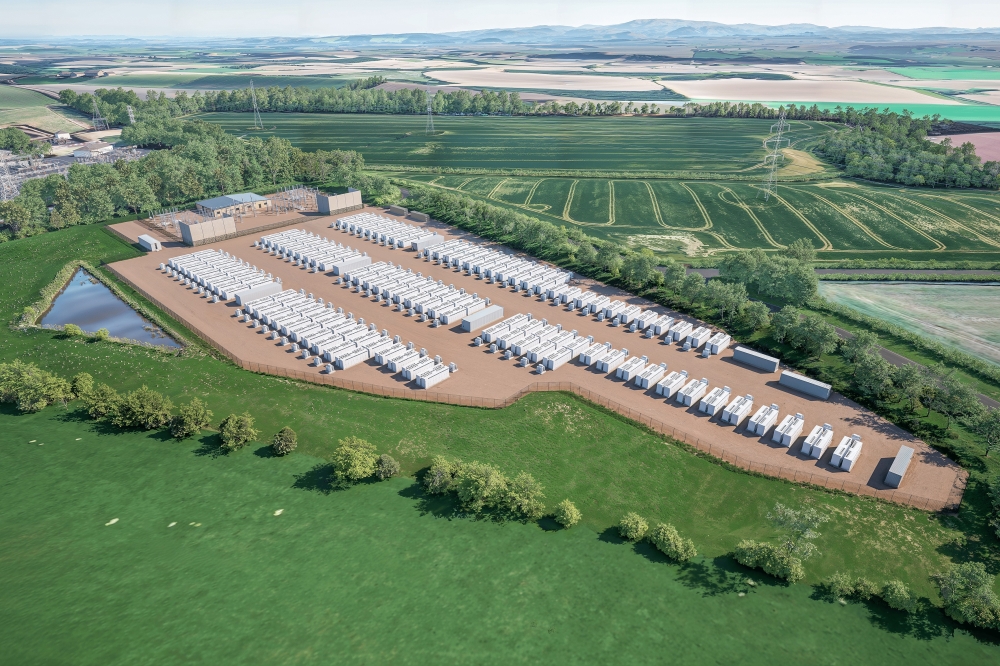
First, the good news. The UK has made substantial progress in renewable energy. It is one of the world’s biggest markets for battery storage, with 4.4 GW of operational capacity and more projects in the pipeline. Solar adoption is growing with two out of every five new homes in some areas equipped with solar panels in 2024. Local energy providers, such as Oxfordshire’s Low Carbon Hub, are also expanding. Furthermore, the Demand Flexibility Service engaged 2.6 million households and businesses, saving 3.7 GWh of electricity. Offshore wind and solar energy are projected to constitute 39 percent of the country’s electricity mix by 2030.
Unfortunately, the energy system is struggling to manage this rapid growth. The National Energy System Operator has paused new applications for grid connections due to a backlog of 1700 applications in 2023 and 2024. Amid grid congestion and backlogs, it is expected that renewable projects with a total capacity of 739 GW will have to wait several years for their connections.
The intermittent nature of renewables and retirement of traditional power sources also create grid-stability issues, while rising demand from electric vehicles and heat pumps adds further strain.
Climate and Regulatory Hurdles
Extreme weather events are testing the resilience of U.K.’s energy infrastructure. Storm Arwen in 2021 left over a million customers without power and heatwaves in the following summer caused equipment failures, leading to further outages. As climate-related hazards persist, strengthening the country’s infrastructure is essential.
The energy industry also faces complex and slow-moving regulatory environment. Reforms like the Review of Electricity Market Arrangements (REMA), introduced in 2022, will be implemented gradually through 2030. Market challenges including weak investor confidence from frequent policy changes has reduced funding for long-term projects. With energy prices mapped to the costliest source (gas), consumers face increased bills despite using (cheaper) renewables. This has contributed to low customer satisfaction in utilities Sector.
Overcoming these challenges requires a comprehensive approach focused on technology, infrastructure, and policy.
Enhancing Reliability and Modernizing the Grid
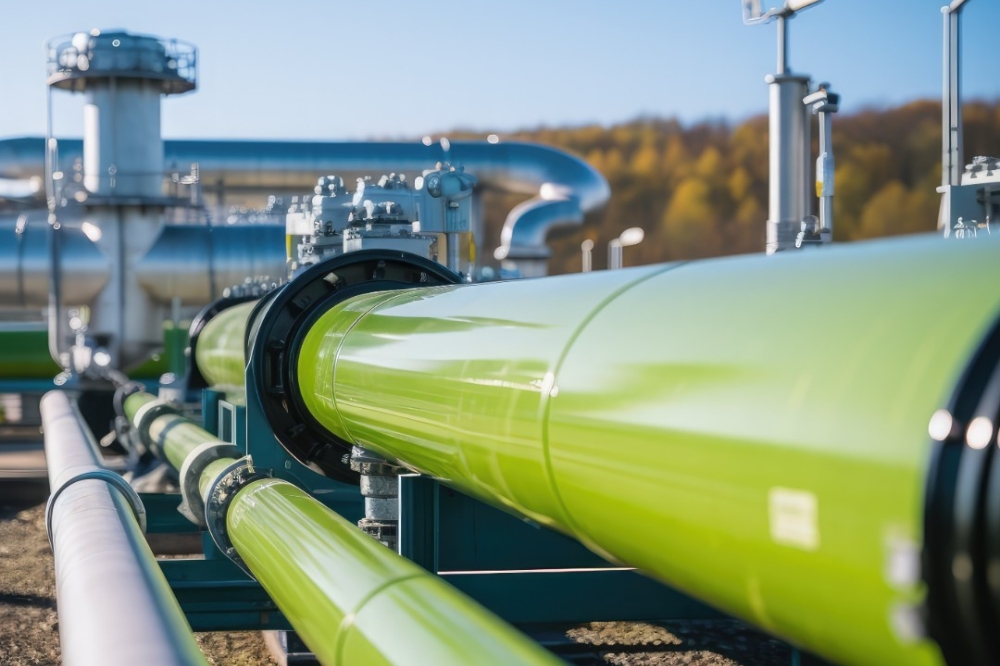
To improve the reliability of renewables, the UK must expand its energy storage capacity. This includes increasing grid-scale batteries, leveraging pumped hydro facilities, and electrolysing surplus renewable energy into green-hydrogen for large and long-term storage. Exploring emerging options like compressed air energy storage (CAES) and flow batteries and diversifying the energy mix with predictable sources like tidal and geothermal, power can also enhance reliability. Demand-side management, which encourages consumers to adjust usage during peak hours, offers another effective solution.
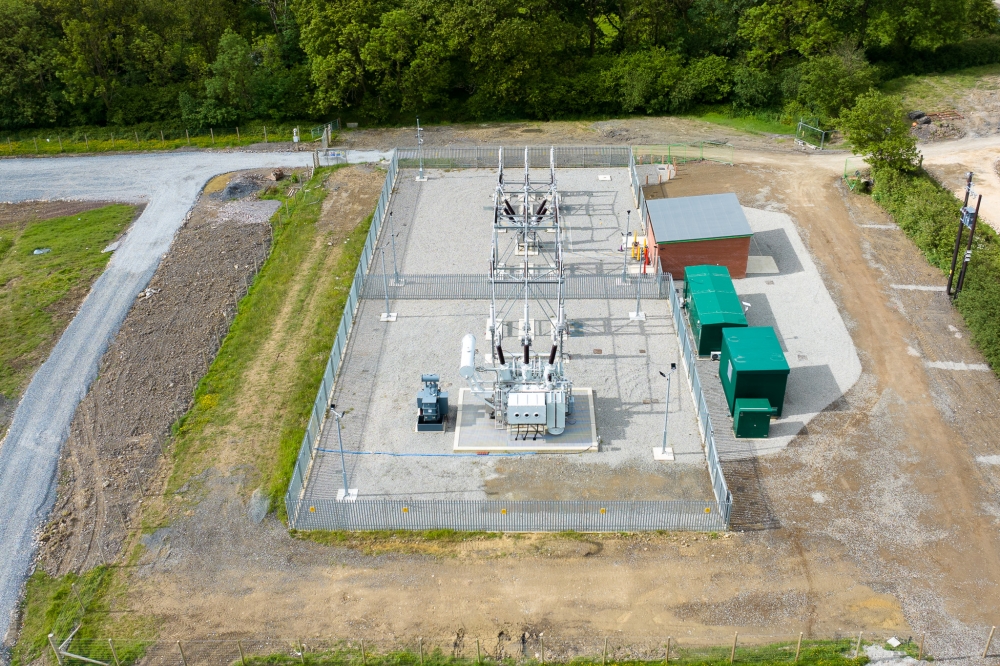
Investing in grid modernisation is equally critical. Expanding the transmission network will carry power from high-generation regions, like Scotland’s offshore wind farms, to high-demand centres. Building interconnectors with neighbouring countries allows the U.K. to import and export power to balance demand and supply. Reinforcing aging grid infrastructure with local energy systems, microgrids, and High Voltage Direct Current (HVDC) transmission can reduce reliance on the center and improve its ability to handle renewable energy’s variability.
Leveraging Digital Technology and Collaboration
Digital technologies are key to a more stable and efficient grid. Smart grid technologies and data analytics provide real-time network visibility, enabling better demand and supply forecasting. Advanced monitoring and control systems can automate fault detection and enable self-healing capabilities, reducing the frequency and severity of outages.
These wide-ranging measures can succeed only through co-operation between various stakeholders – lawmakers, regulators, infrastructure providers, utility companies, prosumers and technology partners. This collaboration is necessary to align regulatory frameworks with market dynamics, coordinate energy infrastructure development, and foster public-private/academic-industry partnerships that drive innovation. By sharing knowledge and aligning priorities, stakeholders can create a resilient, affordable and sustainable energy system for the UK’s net-zero future.